The Glucose Reboot: 2 Patients Who Beat The Odds
The Glucose Reboot: 2 Patients Who Beat The Odds

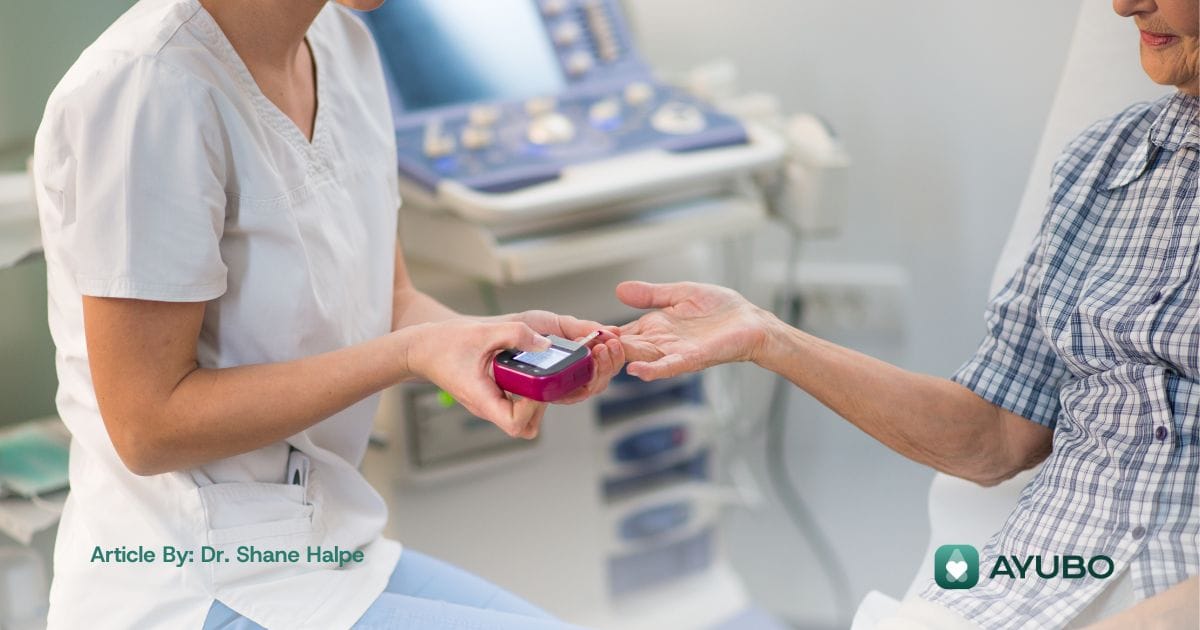
After five years practicing as a family physician, I thought I had seen it all. From newborns taking their first breath to elderly patients in their final days, medicine had shown me the full spectrum of human experience. Yet among all the conditions I've encountered, diabetes mellitus remained my greatest challenge – common as rain, yet frustratingly difficult to control.
The routine was familiar: explain the diagnosis, order cholesterol and kidney function tests, discuss diet and exercise, prescribe the usual medications – metformin, gliclazide, empagliflozin, or sitagliptin. I'd refer patients for eye exams, check their feet, and hope for the best. Some patients managed well, others showed minimal improvement, and many struggled to meet their targets despite my best efforts.
My goal was always the same: prevent the devastating complications that diabetes can bring – blindness, foot ulcers, kidney failure, heart attacks, and strokes. But I'll be honest: the results were often disappointing, and I sometimes wondered if I was truly making a difference.
Then I met two patients who completely transformed my understanding of what's possible in diabetes care.
𝗞𝗮𝗻𝘁𝗵𝗶: 𝗙𝗮𝗶𝘁𝗵, 𝗗𝗲𝘁𝗲𝗿𝗺𝗶𝗻𝗮𝘁𝗶𝗼𝗻, 𝗮𝗻𝗱 𝗮 𝗠𝗶𝗿𝗮𝗰𝗹𝗲 𝗶𝗻 𝗧𝗵𝗿𝗲𝗲 𝗠𝗼𝗻𝘁𝗵𝘀
Kanthi was 60 years old when a routine blood test changed her life forever. The housewife had no classic diabetes symptoms – no excessive thirst, no frequent urination, no unexplained weight loss. She simply felt tired all the time, which she had attributed to getting older.
Her HbA1c result hit me like a thunderbolt: 8.5%. This wasn't borderline diabetes – this was full-blown, established disease. To make matters worse, her blood pressure was elevated at 160/80 mmHg.
When I broke the news to Kanthi, I watched her world crumble. "Am I going to die soon?" she asked, tears welling in her eyes. I spent considerable time that day counseling her, explaining what diabetes meant, and outlining the path forward. I started her on the standard treatment protocol: metformin, gliclazide, blood pressure medication, and a statin for cholesterol protection.
What happened next was extraordinary.
Kanthi became a student of her own disease. She called my clinic regularly with thoughtful questions. She devoured YouTube videos about diabetes management and read everything she could find. But more than that, she drew strength from her deep Catholic faith, viewing her diagnosis as a divine call to transform her lifestyle.
She embraced fasting not just as a medical recommendation, but as a spiritual discipline. She cut her carbohydrate intake to less than a quarter of what she had been eating. At weddings and family gatherings – events where food is central to Sri Lankan culture – she politely declined the rice, sweets, and traditional treats that once defined celebration for her.
Her commitment was absolute. She even explored Ayurvedic remedies alongside her prescribed medications, leaving no stone unturned in her quest for healing.
Three months later, Kanthi returned to my clinic with her follow-up blood work. I stared at the report in disbelief: HbA1c 5.5%. Her blood pressure had normalized to 120/80. She had lost over five kilograms and radiated energy I hadn't seen in her before.
"Is this a miracle?" I wondered aloud. But looking at Kanthi's transformed appearance and hearing her story, I realized it was something even more powerful: sheer human determination.
𝗥𝗮𝘃𝗶: 𝗙𝗿𝗼𝗺 𝗖𝗿𝗶𝘀𝗶𝘀 𝘁𝗼 𝗧𝗿𝗶𝘂𝗺𝗽𝗵 𝗶𝗻 𝟵𝟬 𝗗𝗮𝘆𝘀
A few months later, I received an urgent online consultation request from Ravi, a 50-year-old businessman. His symptoms were textbook diabetes: excessive urination, constant thirst, and debilitating fatigue. As the father of two children with a family history of diabetes and a sedentary lifestyle, he was a walking risk factor.
When his blood sugar results came back, I nearly recommended immediate hospitalization: 450 mg/dl after an eight-hour fast. His HbA1c was 10.8%. This was dangerously high for a first-ever blood sugar reading.
During our video consultation, I could see the fear in Ravi's eyes as I explained the implications. I outlined the usual treatment plan and discussed the serious complications diabetes could bring – heart attacks, strokes, kidney failure, blindness, nerve damage, and sexual dysfunction.
"Doctor," he asked quietly, "is it possible to cure diabetes?"
I paused, choosing my words carefully. "Nothing is impossible if you can stick to the plan. Some patients have achieved remission through lifestyle changes alone."
That conversation sparked something in Ravi that I had rarely seen before.
He transformed his entire household. His wife also had diabetes, so the whole family committed to the lifestyle changes together. Ravi became meticulous about his diet, eating only home-cooked meals and dramatically reducing his carbohydrate intake. Dinner became a light affair. He walked 30 minutes every single day without exception.
Most remarkably, he approached diabetes management with the precision of a professional athlete. He checked his blood sugar regularly, called me twice a week with updates, and consumed educational content voraciously. Within weeks, his fasting blood sugar dropped below 100 mg/dl.
"Can I reduce my medication?" he asked during one of our calls. Given his excellent control, I agreed to discontinue one of his medications while maintaining the lifestyle changes.
Yesterday, I received a WhatsApp message that made my day – a photo of his latest lab report showing an HbA1c of 5.9%, firmly in the non-diabetic range.
𝗧𝗵𝗲 𝗥𝗲𝗮𝗹 𝗛𝗲𝗿𝗼𝗲𝘀 𝗼𝗳 𝗛𝗲𝗮𝗹𝘁𝗵𝗰𝗮𝗿𝗲
These two patients fundamentally changed my perspective on diabetes management and healthcare in general. While I provided the medical framework and guidance, the real work – the daily choices, the unwavering commitment, the lifestyle transformation – came from them.
Kanthi and Ravi taught me that patients aren't just passive recipients of medical care; they can be the architects of their own healing. Their success wasn't due to any special medication or revolutionary treatment. It came from something far more powerful: absolute dedication to change.
Their stories challenge the conventional wisdom that diabetes is a progressive, irreversible condition. While not every patient may achieve such dramatic results, Kanthi and Ravi prove that with the right mindset, support, and commitment, extraordinary outcomes are possible.
As I reflect on their journeys, I realize that my role as a physician isn't just to prescribe medications or order tests. It's to inspire, educate, and empower patients to become the heroes of their own health stories.
In a healthcare system often focused on managing disease, Kanthi and Ravi remind us of something profound: sometimes, the most powerful medicine isn't found in a pharmacy – it's found in the human spirit's capacity for transformation.
They are the real heroes of healthcare, and their stories continue to inspire every patient I treat. After all, if they could achieve the impossible in just three months, what might be possible for others willing to take that same courageous journey?
𝐃𝐞𝐝𝐢𝐜𝐚𝐭𝐢𝐨𝐧 – 𝐖𝐨𝐫𝐥𝐝 𝐃𝐢𝐚𝐛𝐞𝐭𝐞𝐬 𝐃𝐚𝐲 𝟐𝟎𝟐𝟓
This World Diabetes Day 2025, I dedicate this story and my deepest respect to every patient who battles diabetes with courage, discipline, and hope. You may not wear capes, but your daily victories are nothing short of heroic. Whether you are learning to change lifelong habits, pushing through the fear of complications, or taking one small brave step at a time, you are the true champions of this journey. Your resilience reminds us that diabetes is not just a diagnosis it is a fight that demands strength, patience, and unwavering determination. To all of you striving for better health, supporting loved ones, or inspiring others through your silent perseverance, today we honour you. You are the heartbeat of World Diabetes Day, and your stories illuminate the path for countless others walking the same road.
Dr. Shane Halpe
Senior Registrar in Family Medicine
Lecturer in Family Medicine