

Article
A Bite, A Lesson: Why Rabies Still Matters in Sri Lanka
Jayanath is the kind of young man you instantly like, bright, curious, full of life. A 24-year-old engineering student studying in the UK, he had returned to Sri Lanka for his internship at a power station.


Health Tips
More Than a Prescription: Health Advice for Newly Married Couples
It was another routine day at my clinic when Sameera, a 27-year-old regular patient, called to fix an appointment. “Doctor, are you available today?” “Yes,” I replied. “Come at 6 pm.”

Article
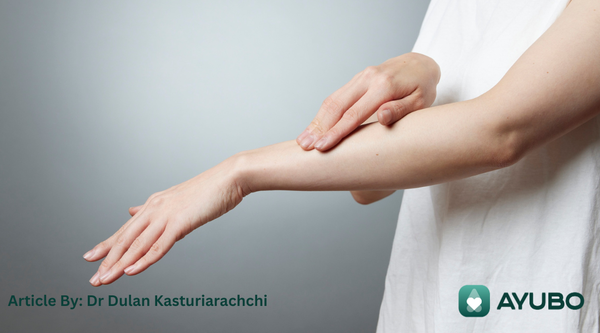
A Daily Skincare Routine for People with Diabetes: Why It Matters More Than You Think
Diabetes is widely known for its effects on blood sugar, the heart, kidneys, and nerves. However, one area that often gets overlooked is the skin-the body’s largest organ.

Article
“Doctor, Is Something Seriously Wrong With Me?”
Understanding Vitamin D Deficiency in Sri Lanka
Diabetes
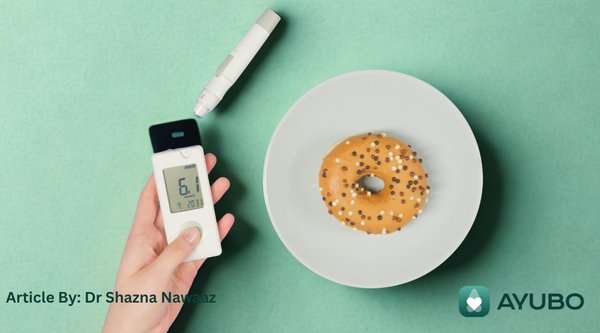
Why Stress Makes You Reach for the Doughnut.
The Hidden truth between Insulin, Serotonin, Dopamine & Your Mood

Depression
When Pain Isn’t Just Physical: How Depression Can Hide in Plain Sight
When Pain Isn’t Just Physical: How Depression Can Hide in Plain Sight
Article
The Fastest Way Back to Health: A Story Like No Other
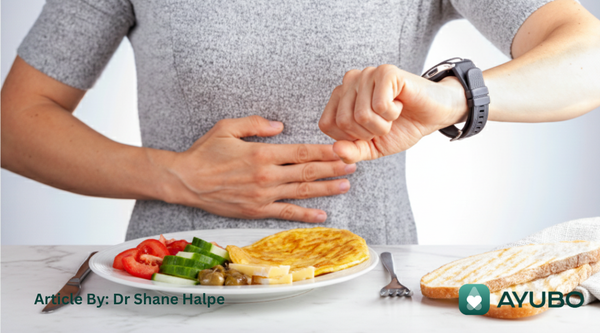
The Fastest Way Back to Health: Intermittent Fasting
Article
Guarding Women’s Health: The Power of Pap Smear in Preventing Cervical Cancer
Guarding Women’s Health: The Power of Pap Smear in Preventing Cervical Cancer

Health Tips
Obesity and Pregnancy: Risks, Care and Prevention
Obesity in Pregnancy: Risks, Care, and Prevention

Health Tips
The Glucose Reboot: 2 Patients Who Beat The Odds
The Glucose Reboot: 2 Patients Who Beat The Odds

Health Tips
Fatty Liver Disease: The Hidden Epidemic of Our Modern Lifestyle
Fatty Liver Disease: The Hidden Epidemic of Our Modern Lifestyle

Female Health
Breaking the Silence: How Lifestyle and Early Detection Can Turn the Tide on Breast Cancer
How Lifestyle and Early Detection Can Turn the Tide on Breast Cancer
Article
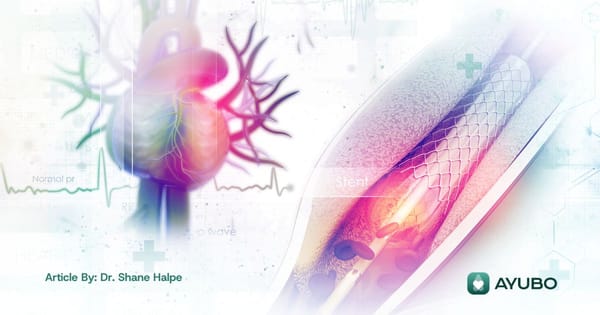
Living Healthy After a Heart Stent: What You Need to Know
Living Healthy After a Heart Stent: What You Need to Know
Health Tips
More Than Just Missed Periods: Understanding PCOS
More Than Just Missed Periods: Understanding PCOS
Health Tips
The Hidden Cost of a Painkiller: When Relief Turns Risky
Painkillers may ease pain, but frequent use can silently damage your kidneys. Reduced blood flow leads to swelling, fatigue & kidney failure risk. Use only when needed & stay hydrated.

Article
How Exercise Helps Prevent Non-Communicable Diseases
Non-communicable diseases (NCDs) — principally cardiovascular disease, type 2 diabetes, many cancers, chronic respiratory disease, and some mental-health conditions — are the world’s leading causes of death and disability. Physical inactivity is a major, modifiable risk factor for NCDs.
Health Tips
Too Young to Die: Heart Attacks in Young Sri Lankans
Heart attacks are rising among young Sri Lankans, with 1 in 5 patients under 45. Lifestyle risks, stress, diabetes, and poor diets fuel this crisis. Prevention through healthy eating, exercise, screenings, and quitting smoking is vital to protect lives and futures.
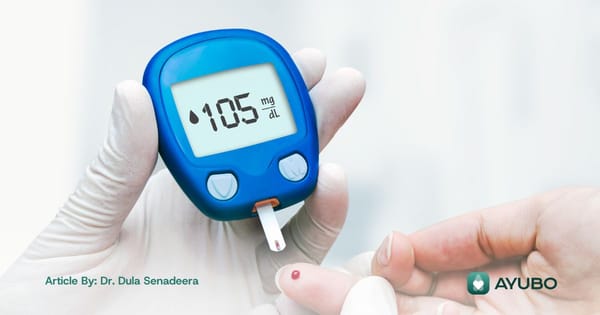
NCD awareness
What are Non-Communicable Diseases (NCDs)?
NCDs are long-term diseases caused by lifestyle, genetics, and environment, not infections. They kill 43M yearly and cause 83% of deaths in Sri Lanka. Main types: heart disease, diabetes, cancer, asthma. Prevention: healthy diet, exercise, regular check-ups, avoid tobacco and alcohol.

Health Tips
When Bones Become Fragile: A Story of Prevention
Kumari’s wrist fracture wasn’t just a fall—it was osteoporosis, the silent disease that weakens bones. Fragile bones lead to fractures, pain, and loss of independence. Strong nutrition, daily activity, and early screening are key to prevention.

Health Tips
How to Exercise for a Healthier Heart: What Works Best?
Regular exercise is vital for heart health—supporting circulation, weight, and blood pressure. Aim for 150 minutes of moderate activity weekly. Combine cardio and strength training for balanced fitness, and consult your doctor if you have health concerns.
Health Tips
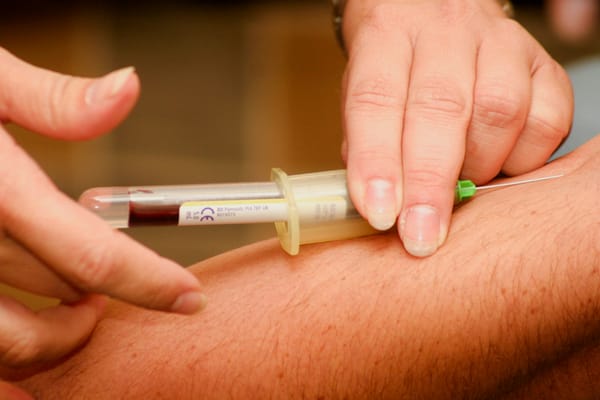
Understanding Cholesterol: The Good, The Bad, and The Ugly
Cholesterol is vital for building cells and hormones, but imbalances can harm heart health. HDL (“good”) helps clear excess cholesterol, while LDL (“bad”) can clog arteries. Diet, activity, and regular check-ups are key to maintaining healthy levels.
Health Tips
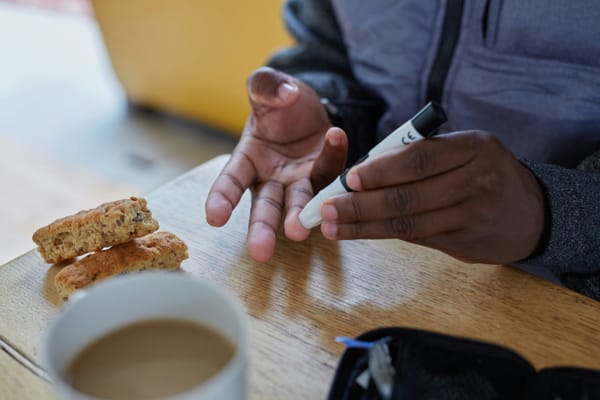
Pre-Diabetes: Can You Reverse It Before It’s Too Late?
Pre-diabetes is a warning sign—but it can often be reversed. Studies show losing 5–7% body weight, eating balanced meals, and exercising 150 minutes weekly can cut diabetes risk by over 50%. Early lifestyle changes protect long-term health.
Health Tips
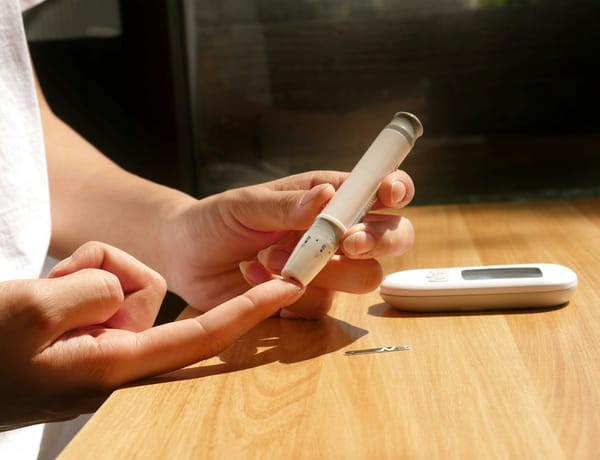
Diabetes: The Silent Killer – Signs You Shouldn’t Ignore
Diabetes is a “silent killer” that often shows no early signs. Uncontrolled, it can damage eyes, kidneys, nerves, and the heart. Early detection through screening, healthy habits, and medical care can prevent serious complications and protect long-term health.
Article
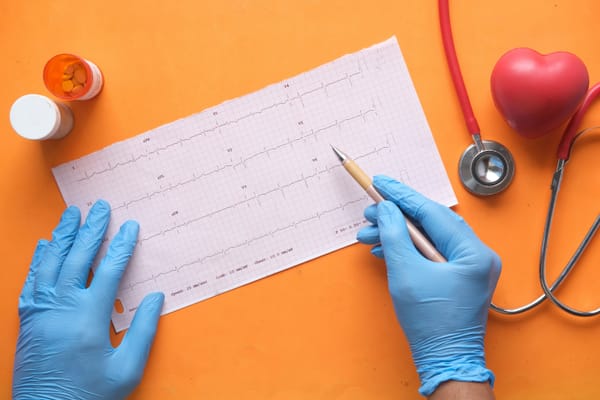
Heart Disease in Young Adults: Understanding the Risks and Prevention
Introduction Heart disease is often thought of as a concern for older adults, but research shows that younger individuals may also be at risk. Lifestyle factors, family history, and certain health conditions can contribute to heart-related concerns at an
No articles match your search. Try another keyword or topic.

