
• 2 min read
Skin Signs: What Your Complexion Says About NCDs
What Your Complexion Says About NCDs
A collection of 12 posts
What Your Complexion Says About NCDs

The Glucose Reboot: 2 Patients Who Beat The Odds

Fatty Liver Disease: The Hidden Epidemic of Our Modern Lifestyle

How Lifestyle and Early Detection Can Turn the Tide on Breast Cancer

Painkillers may ease pain, but frequent use can silently damage your kidneys. Reduced blood flow leads to swelling, fatigue & kidney failure risk. Use only when needed & stay hydrated.

Heart attacks are rising among young Sri Lankans, with 1 in 5 patients under 45. Lifestyle risks, stress, diabetes, and poor diets fuel this crisis. Prevention through healthy eating, exercise, screenings, and quitting smoking is vital to protect lives and futures.
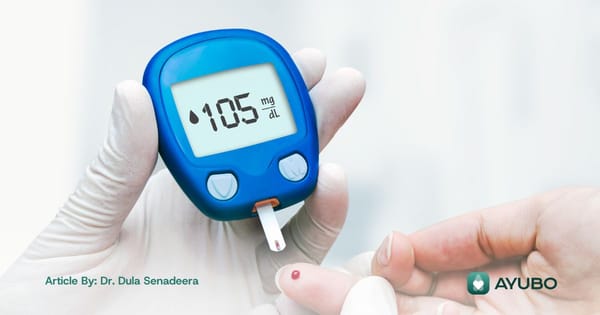
NCDs are long-term diseases caused by lifestyle, genetics, and environment, not infections. They kill 43M yearly and cause 83% of deaths in Sri Lanka. Main types: heart disease, diabetes, cancer, asthma. Prevention: healthy diet, exercise, regular check-ups, avoid tobacco and alcohol.

Kumari’s wrist fracture wasn’t just a fall—it was osteoporosis, the silent disease that weakens bones. Fragile bones lead to fractures, pain, and loss of independence. Strong nutrition, daily activity, and early screening are key to prevention.

Regular exercise is vital for heart health—supporting circulation, weight, and blood pressure. Aim for 150 minutes of moderate activity weekly. Combine cardio and strength training for balanced fitness, and consult your doctor if you have health concerns.
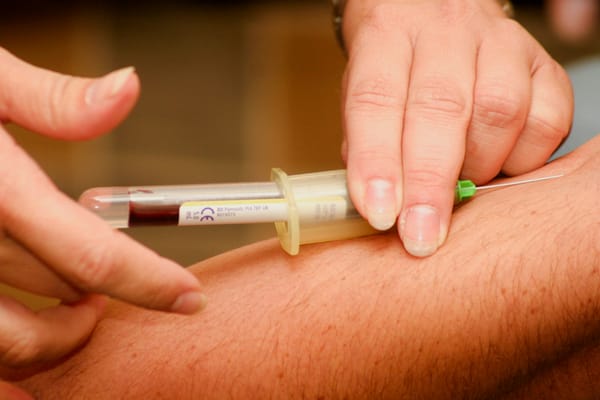
Cholesterol is vital for building cells and hormones, but imbalances can harm heart health. HDL (“good”) helps clear excess cholesterol, while LDL (“bad”) can clog arteries. Diet, activity, and regular check-ups are key to maintaining healthy levels.

Pre-diabetes is a warning sign—but it can often be reversed. Studies show losing 5–7% body weight, eating balanced meals, and exercising 150 minutes weekly can cut diabetes risk by over 50%. Early lifestyle changes protect long-term health.

Diabetes is a “silent killer” that often shows no early signs. Uncontrolled, it can damage eyes, kidneys, nerves, and the heart. Early detection through screening, healthy habits, and medical care can prevent serious complications and protect long-term health.