Living Healthy After a Heart Stent: What You Need to Know
Living Healthy After a Heart Stent: What You Need to Know

For over twenty years, Manel dedicated her life to teaching. She was one of those teachers every student remembers — passionate, caring, and tireless. From early morning lessons to late-evening paper marking, counselling troubled students, organizing school events, and mentoring young minds, she gave her heart to her profession — quite literally.
Each day, she travelled nearly 20 kilometres by bus from her home to her school in Colombo. Meals were often a quick snack between classes or something ordered from a food app because she was too exhausted to cook. Sleep was a luxury she rarely enjoyed. Apart from slightly high cholesterol levels, she believed she was healthy — until one morning, in the middle of a class, everything changed.
The Day Her Heart Spoke
It started as a tightness in her chest — a strange, squeezing pain that spread to her left arm. Sweat poured down her face, and a wave of nausea hit her. Alarmed, Manel called one of her former students — now a doctor.
“Putha, I have a chest pain… what should I do?”
Within hours, she was in a private hospital. Her ECG showed poor blood flow to the heart, and blood tests confirmed heart muscle damage. An angiogram revealed three blocked arteries — a serious condition known as coronary artery disease.
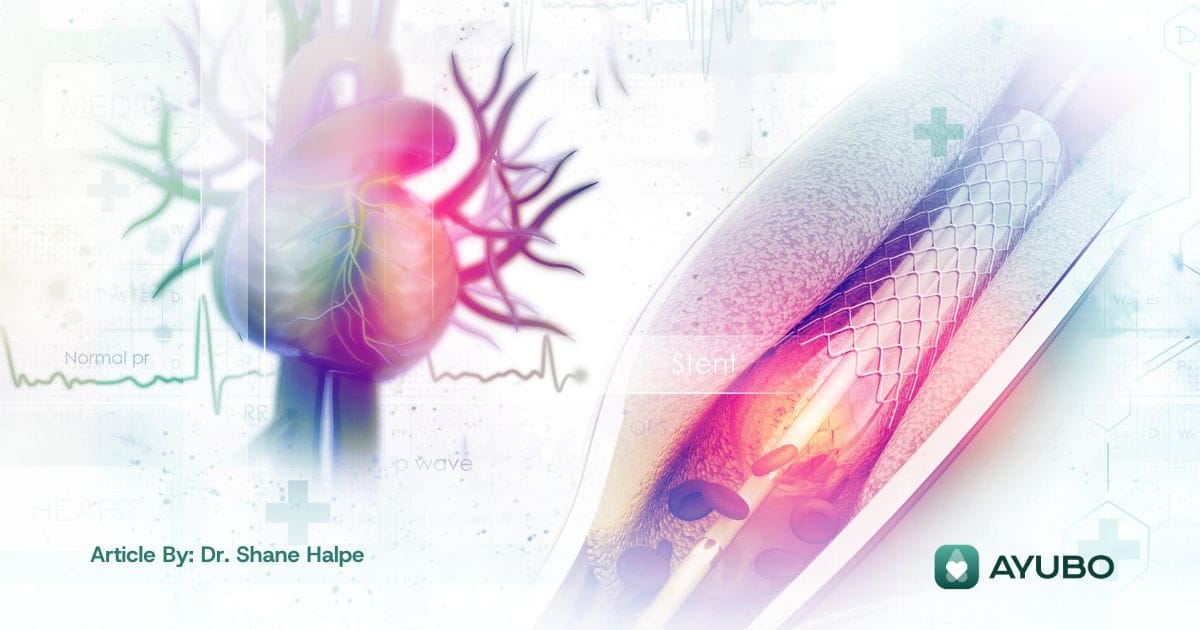
She was rushed for a coronary angioplasty — a procedure to open the blocked arteries using tiny metal stents. Through a small tube inserted in her thigh, three stents were placed to restore blood flow. Manel was lucky — her quick action and her doctor’s timely decision saved her life.
When she woke up after the procedure, one question echoed in her mind: “What happens now?”
Recovering After Angioplasty: The Road Ahead
Most people who have a planned (non-emergency) angioplasty can go home within a day. Before discharge, doctors explain the new medications, wound care, and lifestyle changes needed to protect the heart.
You may have some bruising or soreness where the catheter was inserted — this is normal. Keep the area clean, watch for swelling or redness, and rest for a few days. Mild chest discomfort can occur but usually settles quickly with paracetamol.
Back to Normal Life
- Work: If your angioplasty was planned, you can return to work in about a week. If it followed a heart attack, recovery may take several weeks.
- Driving: Avoid driving for a week. If you drive heavy vehicles, consult your doctor first.
- Exercise & lifting: Skip heavy lifting for a week until your wound heals.
- Sexual activity: Once you feel comfortable, you can resume intimacy — experts say it’s similar in effort to climbing two flights of stairs.
The Pillars of Recovery: Medication and Discipline
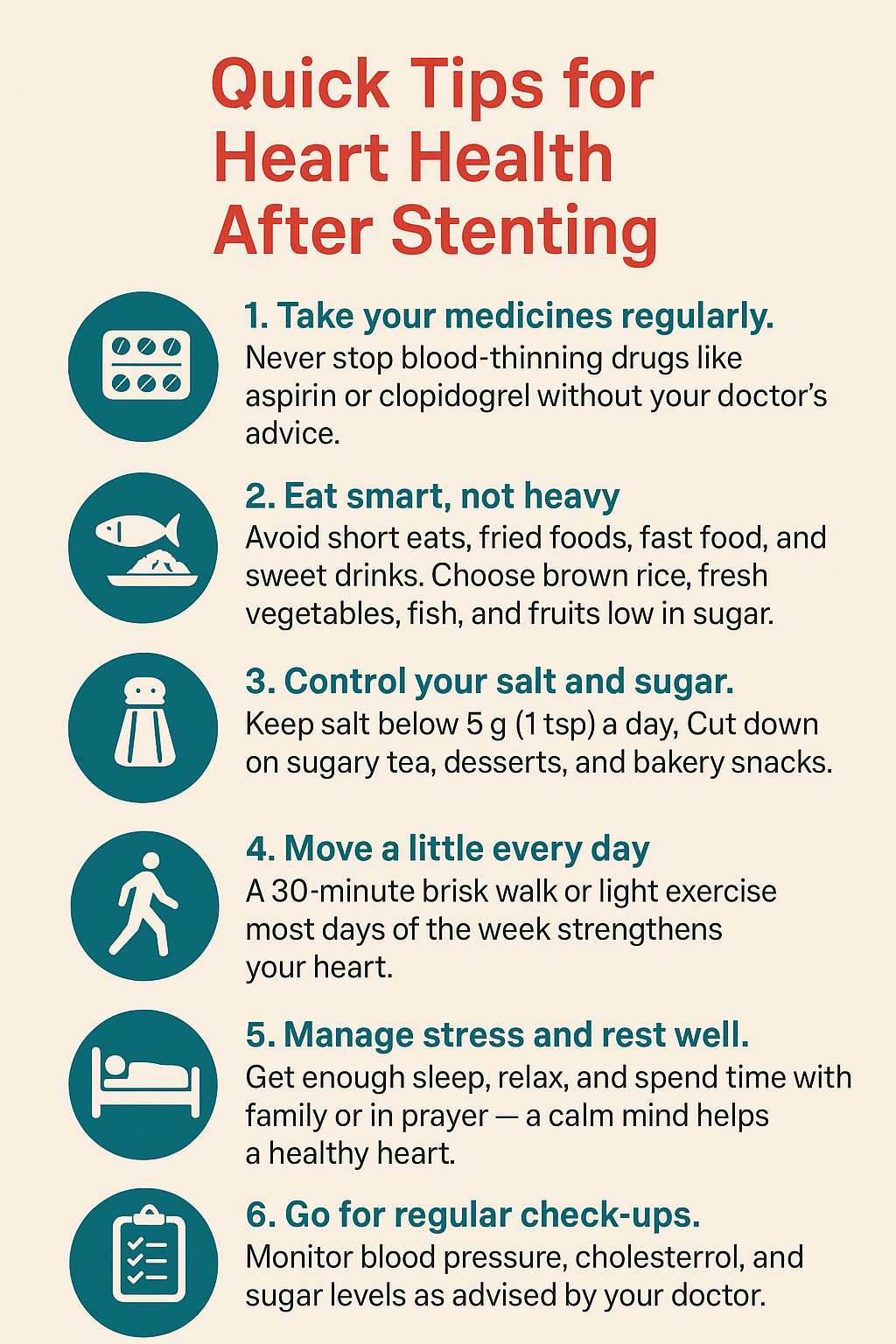
After angioplasty, Manel was prescribed blood-thinning medications — low-dose aspirin plus one of clopidogrel, prasugrel, or ticagrelor — to prevent clotting inside the stents.
Important: Never stop these medicines without your doctor’s advice. Stopping early can trigger another heart attack.
Usually, the second drug is stopped after a year, but aspirin continues for life. Follow-up appointments are essential to monitor your recovery and ensure your arteries remain open.
Cardiac Rehabilitation: Learning to Live Differently
At the hospital, Manel was enrolled in a cardiac rehabilitation programme — a structured plan combining gentle exercise, heart-healthy diet advice, emotional support, and lifestyle coaching.
These programmes usually continue for 4–8 weeks after discharge and help patients regain confidence, energy, and strength.
Manel learned how stress, poor sleep, and skipped meals had taken a toll on her heart — and that recovery was not just about medicine, but about balance.
Eating for a Healthy Heart
Having a heart stent isn’t a license to go back to old habits. What you eat each day plays a major role in keeping your arteries clear and preventing another heart attack. A balanced, heart-healthy diet can make all the difference.
Foods to Avoid
To protect your heart, it’s important to cut down on foods that increase cholesterol, sugar, and salt in your body:
- Short eats and bakery items such as pastries, buns, rolls, doughnuts, and patties are often deep-fried or made with margarine and trans fats that can clog arteries.
- Sweets and desserts like ice cream, watalappan, puddings, and sweetmeats raise blood sugar and contribute to weight gain.
- Soft drinks, fruit juices, and energy drinks high in sugar should be avoided. Choose water, king coconut water, or plain tea without sugar instead.
- Fast foods such as fried rice, kottu, burgers, and fries are high in salt, oil, and refined carbohydrates.
- High-sugar fruits such as mango, banana, jackfruit, and watermelon should be eaten in moderation, especially for people with diabetes or high triglycerides.
- Tea or coffee with sugar and milk powder adds unnecessary calories. Limit sugar and use fresh milk sparingly.
- Excess salt increases blood pressure and strain on the heart. Keep your salt intake below 5 grams (about one teaspoon) per day. Avoid adding extra salt or “Maggi cubes” at the table.
- Fried and oily foods like parippu tempered in oil, fried sprats, or cutlets should be limited. Try grilling, steaming, or baking instead.
- Refined carbohydrates such as white rice, white bread, and noodles should be replaced with whole-grain options.
Foods to Embrace
Focus on foods that nourish your heart and support long-term recovery:
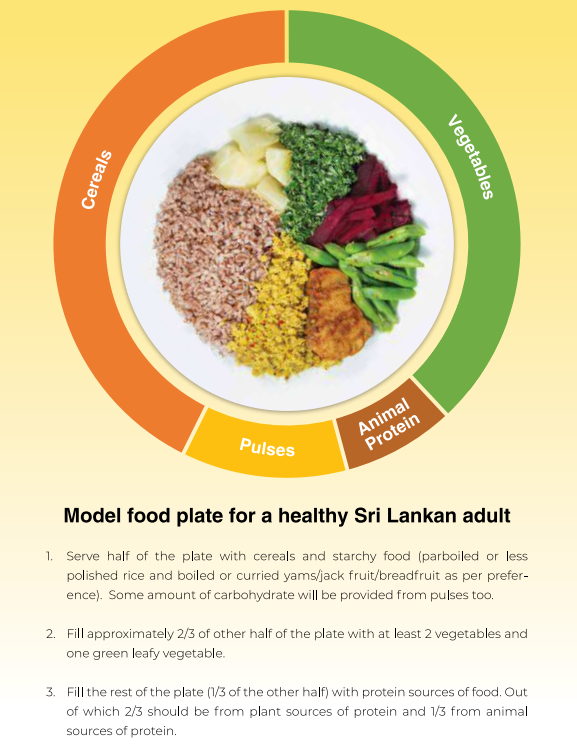
- Whole grains: Choose brown rice, red rice, oats, kurakkan, or wholemeal bread instead of white rice or flour. These are low-glycaemic index foods that help control blood sugar and cholesterol.
- Fruits and vegetables: Fill half your plate with colourful local produce — gotukola, murunga leaves, beans, papaya, guava, and wood apple. They’re rich in fibre, vitamins, and antioxidants. (Avoid grapefruit if you’re on heart rhythm medications.)
- Nuts and seeds: A small handful of almonds, walnuts, pumpkin, or sunflower seeds can improve cholesterol and provide healthy fats.
- Lean proteins: Choose fish (especially seer, tuna, or sardines), skinless chicken, eggs in moderation, or plant proteins like dhal, soy, and chickpeas.
- Healthy oils: Coconut oil can be used in moderation in Sri Lankan households, but limit the quantity and avoid reheating it. For frying, sunflower or canola oil is a better choice. Always use minimal oil and prefer steaming or stir-frying.
- Balanced diet: Combine carbohydrates, proteins, and vegetables in every meal rather than focusing on one type of food. Aim for smaller, more frequent meals to avoid overeating.
- Low-glycaemic foods: Kurakkan, red rice, oats, and green gram help maintain steady blood sugar and reduce cravings.
Everyday Heart-Smart Tips
- Eat home-cooked meals more often — you control the oil, salt, and sugar.
- Add flavour with fresh lime, pepper, or vinegar instead of salt.
- Drink plenty of water and stay hydrated.
- Limit alcohol and avoid smoking.
In short: Your recovery after angioplasty depends as much on your kitchen as on your medicine cabinet. A Sri Lankan diet can be heart-friendly — if prepared with care, balance, and moderation
Lifestyle Lessons from Manel’s Journey
When Manel looks back, she realises her heart attack wasn’t just bad luck — it was a wake-up call. She had ignored the signs of exhaustion, skipped her medical check-ups, and let stress pile up silently.
Today, she walks every morning, packs her own lunch, takes her medicines faithfully, and finds time to rest and pray.
“I used to think my students’ lives were more important than mine,” she says with a smile. “Now I know — to care for others, I must first care for my own heart.”
When to Seek Urgent Help
Call 1990 (Suwa Seriya) or go to the nearest hospital if you experience:
- Sudden or worsening chest pain
- Pain spreading to the arm, neck, or jaw
- Uncontrolled bleeding from the wound site
- Discolouration or numbness in your leg or arm
Never try to drive yourself in an emergency.
Final Takeaway
Life after angioplasty is not about restriction — it’s about renewal. With the right medication, diet, exercise, and mindset, you can live fully again.
Manel’s story is a reminder to every hardworking Sri Lankan — teacher, parent, or professional — that your heart also needs your care. Don’t wait for a warning sign to start living heart-healthy.