Fatty Liver Disease: The Hidden Epidemic of Our Modern Lifestyle
Fatty Liver Disease: The Hidden Epidemic of Our Modern Lifestyle
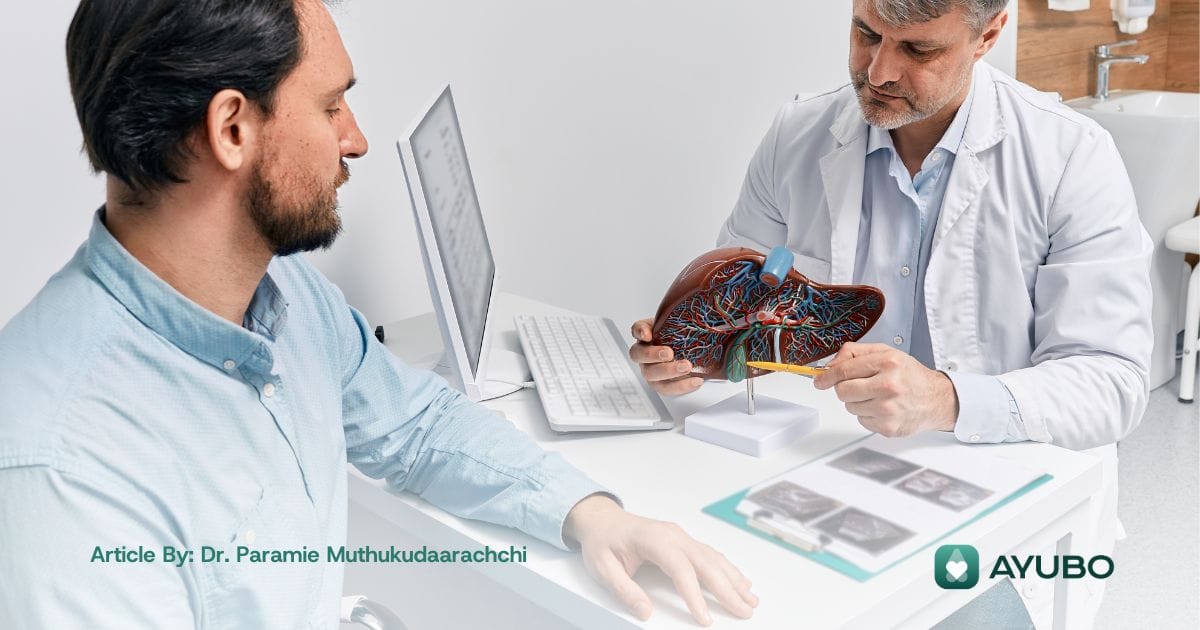
In today’s fast-paced world, many of us worry about diabetes, cholesterol, or heart disease, but there’s another silent condition that’s rapidly becoming just as common: fatty liver disease. Once considered rare, it’s now one of the leading causes of chronic liver disease worldwide, affecting both adults and even teenagers.
What Is Fatty Liver Disease?
Fatty liver disease occurs when excess fat builds up inside the liver cells (hepatocytes). Normally, the liver processes fats efficiently, but when this system is overloaded — often due to an unhealthy diet or lifestyle — fat starts accumulating. If left unchecked, this buildup can lead to inflammation, scarring (fibrosis), and eventually cirrhosis, where the liver becomes permanently damaged.
There are two main types:
· Non-Alcoholic Fatty Liver Disease (NAFLD) – seen in people who drink little or no alcohol; closely linked to obesity, diabetes, and high cholesterol.
· Alcoholic Fatty Liver Disease (AFLD) – caused by excessive alcohol consumption.
Why Is It So Common Now?
Our modern lifestyle is the main culprit. Sedentary habits, processed food, sugary beverages, and irregular meal patterns all contribute to insulin resistance, a key factor behind fat accumulation in the liver. The rise in obesity and type 2 diabetes has made NAFLD one of the most common liver disorders globally.
The Silent Progression
One of the biggest challenges is that fatty liver usually causes no symptoms in its early stages. It can be quite deceiving as even outwardly lean individuals may have fatty liver disease when investigated. Many people discover it incidentally during a routine ultrasound or blood test. However, as the condition progresses, patients may experience symptoms such as;
· Persistent tiredness
· Right-upper abdominal discomfort
· Feeling bloated
· Unintended weight gain (especially around the abdomen)
Over time, inflammation can worsen, leading to Non-Alcoholic Steatohepatitis (NASH), which is a more severe form where liver cells are actively damaged. If this continues, it can cause fibrosis and eventually cirrhosis, an irreversible stage that can lead to liver failure or even cancer (hepatocellular carcinoma).
Can It Be Reversed?
The good news is that early fatty liver disease is completely reversible with lifestyle changes.
Simple but consistent steps make a big difference:
· Maintain a healthy weight: Even a 5–10% weight loss can improve liver fat and inflammation.
· Eat balanced meals: Focus on whole foods: vegetables, fruits, lean proteins, and whole grains. Limit added sugars, fried foods, and alcohol.
· Stay active: At least 30 minutes of exercise, five days a week, helps improve insulin sensitivity.
· Regular check-ups: Blood tests (like liver enzymes ALT and AST) and ultrasounds help detect changes early.
The Takeaway
Fatty liver disease is often silent — but it’s not harmless. The same lifestyle choices that protect your heart also protect your liver. With awareness, early detection, and a commitment to healthier habits, we can prevent this “hidden epidemic” from turning into a lifelong burden.
Your liver works hard for you every day. It’s time we return the favor.
Dr. Paramie Muthukudaarachchi
MBBS | MBA (reading)